Cherry Glen Learning Farm: Growing More Than Food
posted
by Kean Roberts on Friday, September 4, 2026
Cherry Glen, a working farm at the edge of Saylorville Lake in Polk County, is more than a place to learn how to grow food. It is a living classroom, and Dr. Ray Meylor makes the case for it: "People will learn this work if you hand them a shovel instead of a pamphlet." It is a living classroom where the next generation can see that agriculture does not have to be a choice between producing food and caring for the land. Instead of talking abstractly about soil health, biodiversity, conservation, and sustainable food systems, people can put their hands in the soil, observe how plants grow, work with the land, and see ecological principles operating in a farm setting. Watershed Mitigation Farm provides the funding for the hands-on STEAM Cherry Glen Learning Farm that was designed by ISU Extension. Ray and his wife Susan operate the farm.
A classroom built for hands-on learning
At Cherry Glen, students learn by doing. Students have helped install irrigation pipe, build an outdoor cook center and wood-fired pizza oven, tend bees, grow vegetables, save seeds and work alongside Iowa State University faculty. The farm’s outbuilding serves as a STEAM learning center, with a commercial kitchen, greenhouse and space for students to work on real-world problems. .JPG)
One project began with the construction of the farm’s outdoor grill stand. Students built its stone base using limestone collected from the farm, including a piece containing fossilized coral from a time when Iowa was covered by an ancient sea. The students were told what a similar project might be worth to a customer. One student quickly did the math: “I could build two of those in a week and make $20,000!” The lesson went beyond the construction project. The students later carried the math into a conceptual math class, connecting something they had built with a skill they were learning in school.
That is the kind of learning Cherry Glen is designed to create: students are given a real problem, asked to find a solution, and encouraged to think about how their solution could be used again.
The farm is the lesson
What makes Cherry Glen different from a traditional classroom is that the lessons are happening all around the students.
The farm sits at the bottom of the surrounding landscape, receiving runoff from farmland to the north and east. With support from Polk County Natural Resources Conservation Service, the farm shifted from simply retaining water to using its basins and irrigation system to put that water to work. Water carrying nutrients and sediment from surrounding fields is captured and reused to grow food.
The farm’s soil and vegetation provide another lesson. Areas that once had very low organic matter have been rebuilt through prairie, clover, crops and other vegetation. Students can see the difference in the ground itself: Water that runs across compacted soil can disappear almost immediately into healthier, biologically active soil.
They can also see the connection between agriculture and habitat. Prairie and pollinator plantings provide space for wildlife, while the farm produces food for people. The wetlands and basins help manage water and nutrients before they reach Saylorville Lake.
These aren’t concepts students have to imagine. They can see the water, touch the soil, grow the food, and observe what happens when the land is managed differently.
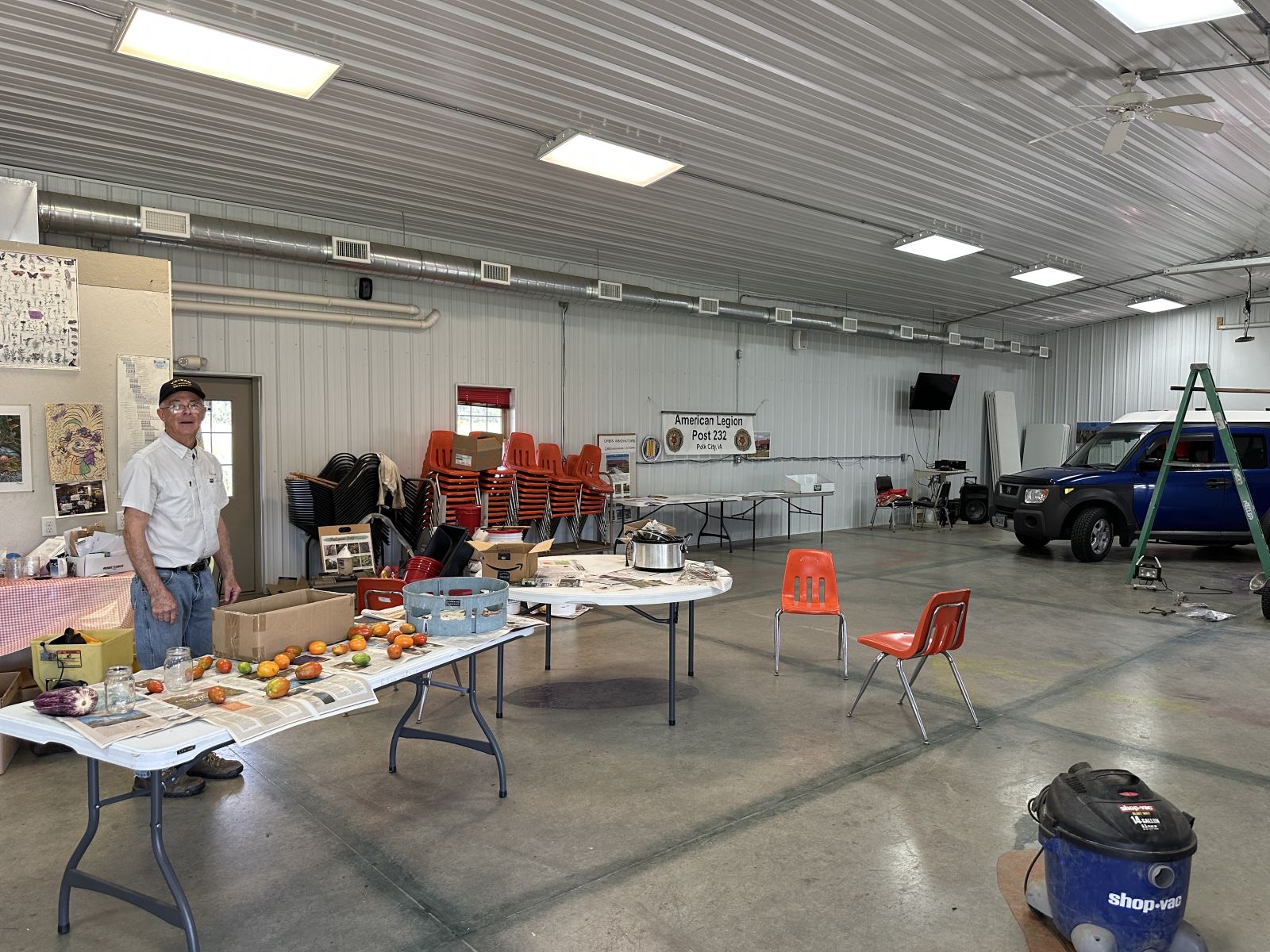
Learning that leaves the farm
Some of the most important lessons at Cherry Glen happen slowly.
When a strawberry or pepper produces an especially strong fruit, students save its seeds. They learn how to store them, plant them, and transplant seedlings into raised beds. In the greenhouse, they learn about the relationships between plants and soil by adding mycorrhizal fungi to seedlings. They repeat these processes because doing something once is a demonstration; doing it repeatedly is how a skill develops.
Students often take what they grow home with them, either to a school garden or their own backyard. The lesson becomes something they can continue themselves.
That is the larger purpose of Cherry Glen: not simply to teach students how to grow food, but to give them a firsthand experience of what agriculture can be.
At a time when conversations about water quality, soil health, and conservation can feel abstract, a learning farm makes those ideas tangible. Students can see that a farm can produce food while supporting habitat, improving soil, and managing water quality. They can learn practical skills while also seeing opportunities for future careers and businesses.
Growing the next generation
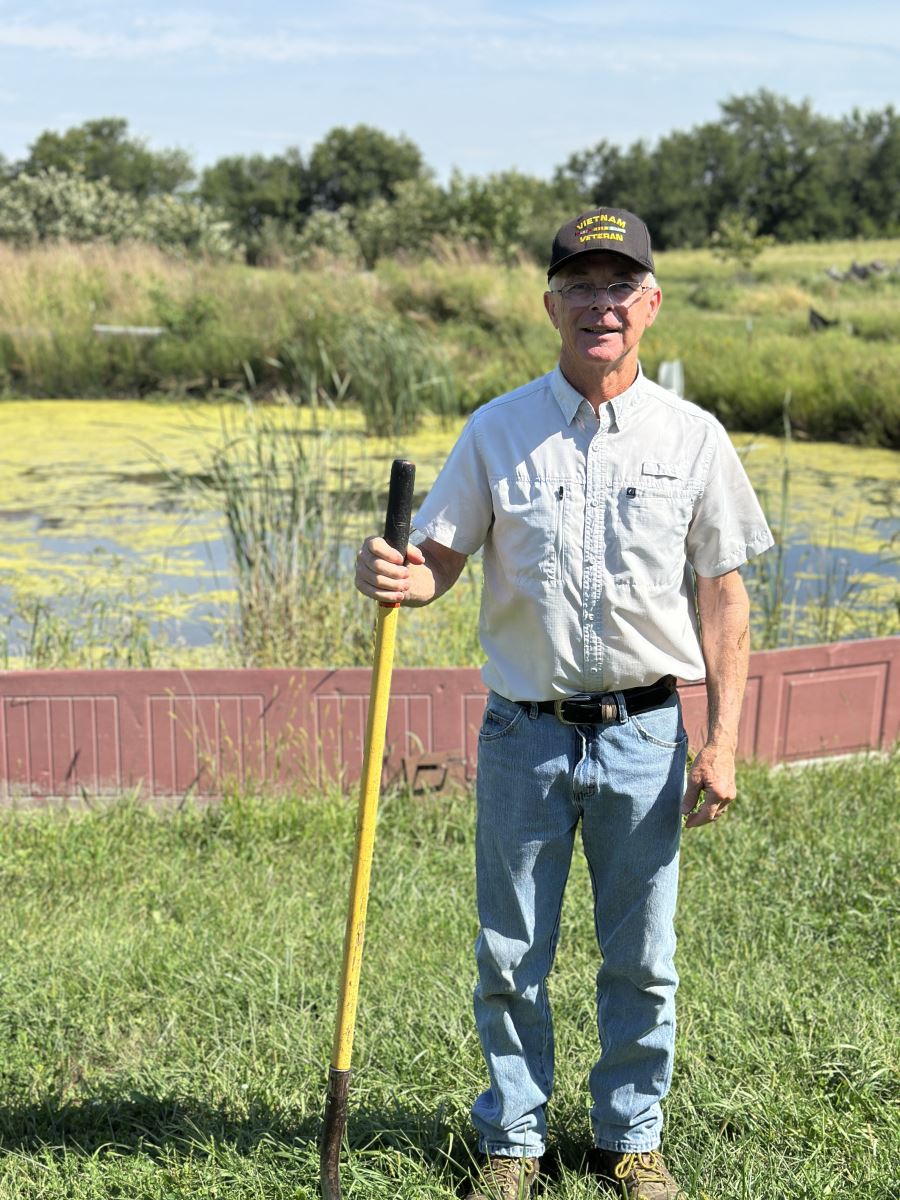
The model has attracted attention from across the state. When Scott Johnson, executive director of the Iowa FFA Association, visited the farm, he asked how he could get one for his students. That question points to an opportunity beyond Cherry Glen. Learning farms can give students a place to experience agriculture as something they can participate in, improve and build upon — not simply something they study.
Two other Iowa veterans are now developing learning farms of their own. Meylor hopes to see more of these farms established in communities across the state, particularly on marginal agricultural land where smaller farms could provide both economic and environmental benefits.
The chestnuts and sweet potatoes that leave Cherry Glen for market can be measured in pounds and dollars. What students carry away is harder to measure. They leave knowing that a particular piece of Iowa land can produce food, support wildlife, improve soil, and help improve water quality — and that they can be part of making those things happen.
Some of them take a plant home. All of them leave knowing that a particular ten acres outside Ankeny — the limestone under it, the water crossing it, the food coming off it — is something a person their age can understand, work on and build. That is a sense of place, and it is picked up the only way it sticks: with a shovel in hand.
That may be Cherry Glen’s most important contribution: not simply demonstrating a different way to farm, but giving the next generation the knowledge and confidence to imagine and help build a healthier future for Iowa’s farms and communities.