Member Highlight: Iowa Stormwater Education Partnership (ISWEP)
posted
by Guest Blogger on Friday, July 24, 2026
Delft, Netherlands, is one of the world's most important cities in flood research – and in January, it became my classroom. It was cold and snowy — the first significant snowfall the country had seen in five years. I had secretly hoped to escape the Midwest winter for a few weeks, but apparently Iowa’s weather followed me. Delft itself is a beautiful university town and home to TU Delft, the Netherlands’ largest technical university. The country has a long history of altering the landscape to “reclaim” land from the ocean. These modifications have caused most of the country to sit six meters below sea level. Therefore, they are very accustomed to managing floods, protecting communities, and adapting to changing climates. For someone working on flood prediction and water quality in Iowa, it was the perfect place to learn.
I was fortunate to receive a Fulbright Specialist grant that made this six-week experience possible. I arrived with an open mind, ready to step outside my comfort zone, immerse myself in a different culture, and learn from some of the world’s leading water experts. The connection to Deltares grew organically. I knew that researchers at the Iowa Flood Center and IIHR had collaborated with colleagues at Deltares, a world-renowned water research institute in the Netherlands. After sending a cold email to several staff members at Deltares, we began building relationships – eventually leading to this exchange. 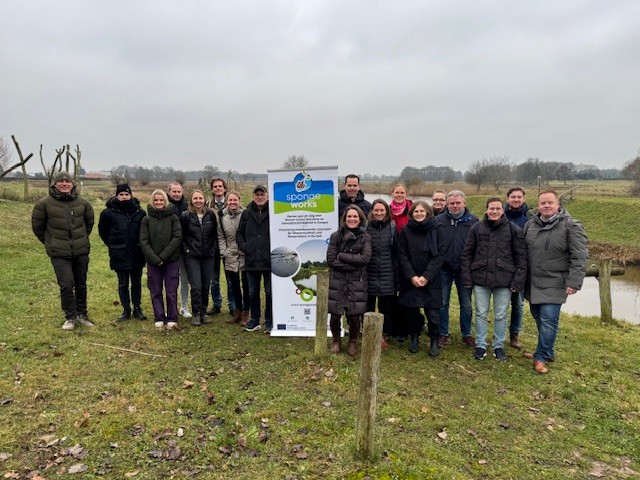
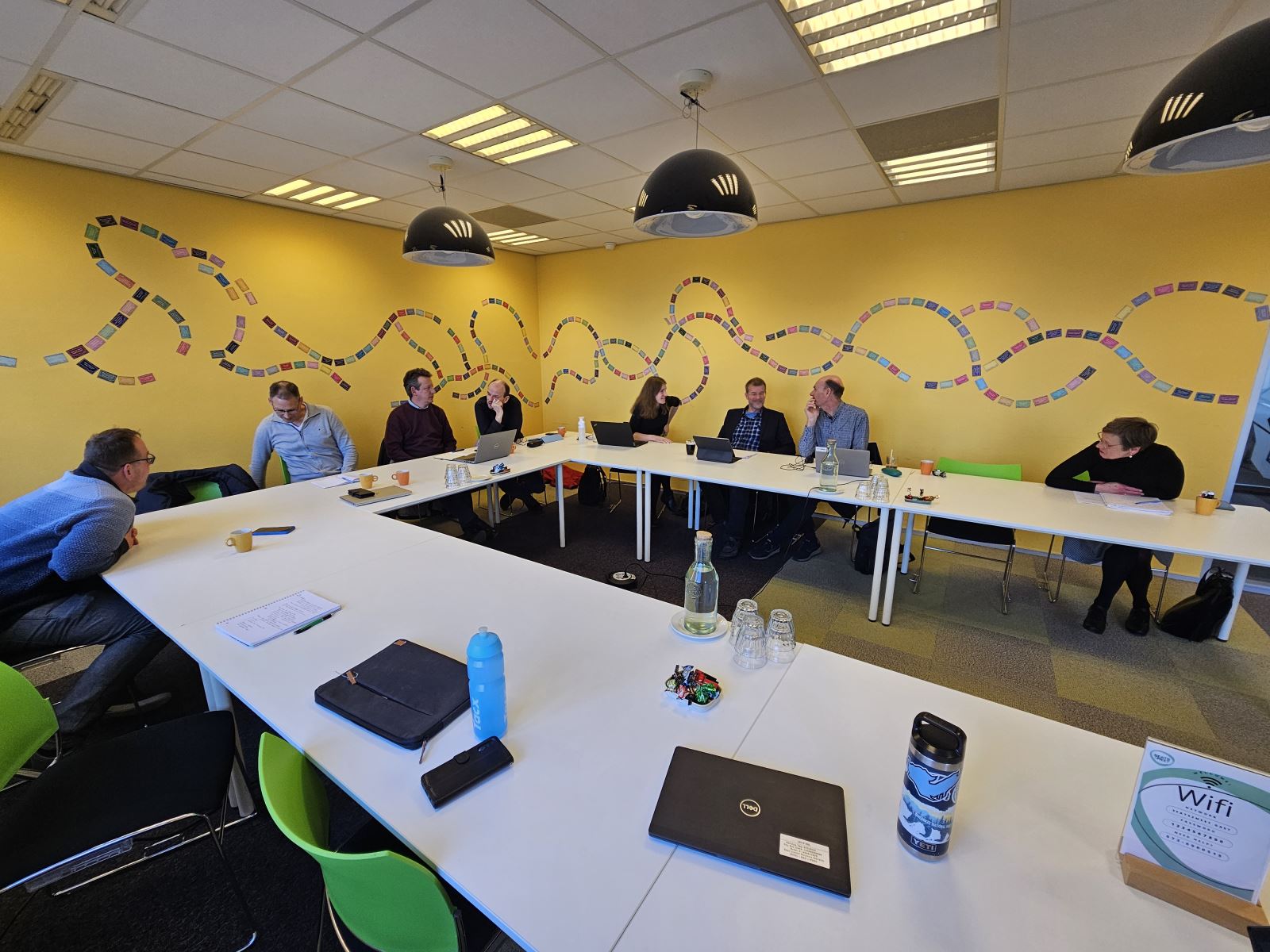
Most of my time was spent with Deltares’ climate adaptation and flood risk teams. I had the opportunity to attend watershed management meetings involving neighboring countries, learn about the diverse partners that come together to solve shared water challenges, and see firsthand the emphasis placed on nature-based solutions. Throughout, I found myself drawing direct parallels to the work we do in Iowa – the same questions about upstream land use, flood mitigation, and community resilience, just at a different scale and with centuries more experience behind the answers.
A significant focus of my Fulbright experience was piloting the FloodAdapt decision-support tool for the community of Columbus Junction, Iowa — the first inland community in the United States to use the software. As I worked through scenarios and applications, I was able to provide real-time feedback to the developers, helping them improve the model for a Midwest setting. FloodAdapt is an open-source tool that helps communities and decision-makers understand and prepare for future flooding. Users can simulate flood scenarios and evaluate the effectiveness of different mitigation strategies, including wetlands, retention ponds, and both green and gray infrastructure. It is an incredible tool, and I was excited to help explore its potential in Iowa. After pitching four flood-prone communities to Deltares researchers, Columbus Junction was selected for its position at the confluence of two major water bodies (i.e., Iowa and Cedar Rivers) and for its profile as a rural community with historically underserved populations.
One of the highlights of my visit was presenting about my work with the Iowa Flood Center and IIHR. Following my talk, I was introduced to many new colleagues. More than once, someone would say, “Kate works at a mini-Deltares in the United States.” I took that as a compliment.
As my six weeks in the Netherlands eventually came to an end, I left with more questions than answers – which felt exactly right. Thankfully, the collaboration has not ended. Since returning home, I have continued working closely with colleagues at Deltares. Together, we have applied for funding to implement flood mitigation projects upstream of Columbus Junction and to continue advancing the technology to better serve Midwest communities.
Another rewarding outcome of this experience has been connecting Deltares researchers with other organizations working on water quality and flash flood early warning systems. This summer, for example, Deltares researchers and staff from the Izaak Walton League's Nitrate Watch program connected to explore alternative data collection methods for volunteer monitors, including the Deltares Aquality app and reference cards that can be shared upon request.
Looking ahead, I hope this is only the beginning. I would love to see continued partnerships between Iowa and Deltares, including future visits taking Iowa colleagues to the Netherlands and opportunities to welcome our Dutch partners to Iowa. The work we are doing at the Iowa Flood Center on flood prediction, community resilience, and water quality is globally relevant, and experiences like this Fulbright remind me that some of the best advances come from learning across borders.
About the Author
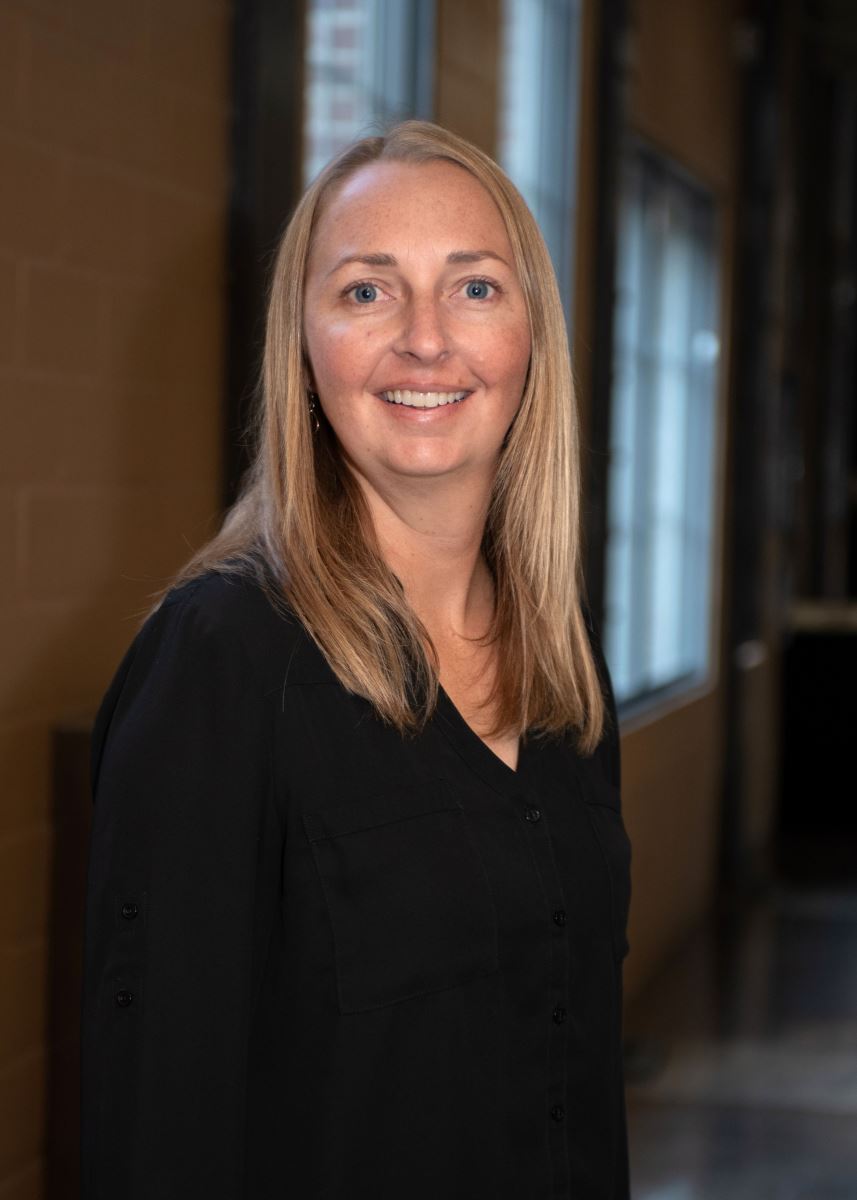 Kate Giannini is a Program Manager at IIHR—Hydroscience and Engineering at the University of Iowa. She leads partner engagement and strategic initiatives to enhance flood resilience and improve water quality across Iowa. With a background in watershed management, and conservation implementation, she collaborates with communities, researchers, and stakeholders to translate water science into actionable solutions.