Mapping Lead in Water: New Data Show Contamination Risk for Iowa Families
posted
by Cody Smith on Tuesday, January 27, 2026
Lead in drinking water is a critical public health threat for Iowans, and new data released by the U.S. Environmental Protection Agency (EPA) late last year showed how urgent action is needed in Iowa.
Lead is a known contaminant in drinking water, contributing to serious health and developmental problems, especially for children and pregnant women. Exposure can cause developmental delays, damage to the nervous system, fertility issues, mental health conditions, and kidney failure. More than half of children in the U.S. are at risk of lead exposure, often in their own home, according to the Centers for Disease Control and Prevention (CDC).
The top source of lead exposure in drinking water in the country is through lead service lines (LSLs), or the lines that deliver water from the utility main to homes, businesses, and schools. Many service lines are also made of galvanized steel that has corroded after decades, sometimes more than a century, of service and require replacement to function properly.
The federal government reports that 10 million American households and 400,000 schools and childcare centers are served by a lead service line or pipes and other fixtures.
Lead pipes were widely installed prior to 1900 and even well into the 20th century. While the presence of a lead service line isn’t a guarantee that drinking water will be contaminated, lead is a known toxin that can contribute to serious health and developmental problems, especially for children and pregnant women. Exposure can cause developmental delays, damage to the nervous system, fertility issues, mental health conditions, and kidney failure.
Lead is also classified as possibly carcinogenic to people by the International Agency for Research on Cancer.
Replacement Costs are High
Replacing a single lead service line is estimated to cost between $10,000 and $15,000 to a homeowner. Using the data below to make a conservative estimate, Iowa’s statewide cost to replace every identified LSL in a community water system would be between $633 million and $950 million.
Top Public Water Systems (PWS) for LSLs
EPA data show the top 5 PWS with known LSLs include:
1.) Iowa-American Water in Davenport (9,620)
2.) Des Moines Water Works (8,114)
3.) City of Ankeny (6,630)
4.) Sioux City (4,271)
5.) Council Bluffs (2,978)
EPA data also show the top 5 PWS with unknown lead status of service lines include:
1.) Des Moines Water Works (45,950)
2.) Cedar Rapids Water Department (21,227)
3.) Iowa-American Water in Davenport (15,954)
4.) Rathbun Regional Water Association in Rathbun (9,323) - theirs are all unknown.
5.) Knoxville Water Works (6,300)
Though the utilities listed above, and others shown below, have reported on the known and unknown LSLs and other pipes in their systems, one complicating factor is that the utilities usually do not own the service line that serves an individual home. This lack of ownership presents a barrier to the utilities, both in terms of cost of replacement and the ability to get consent from homeowners and others to access these service lines.
Mapping LSLs Across Iowa
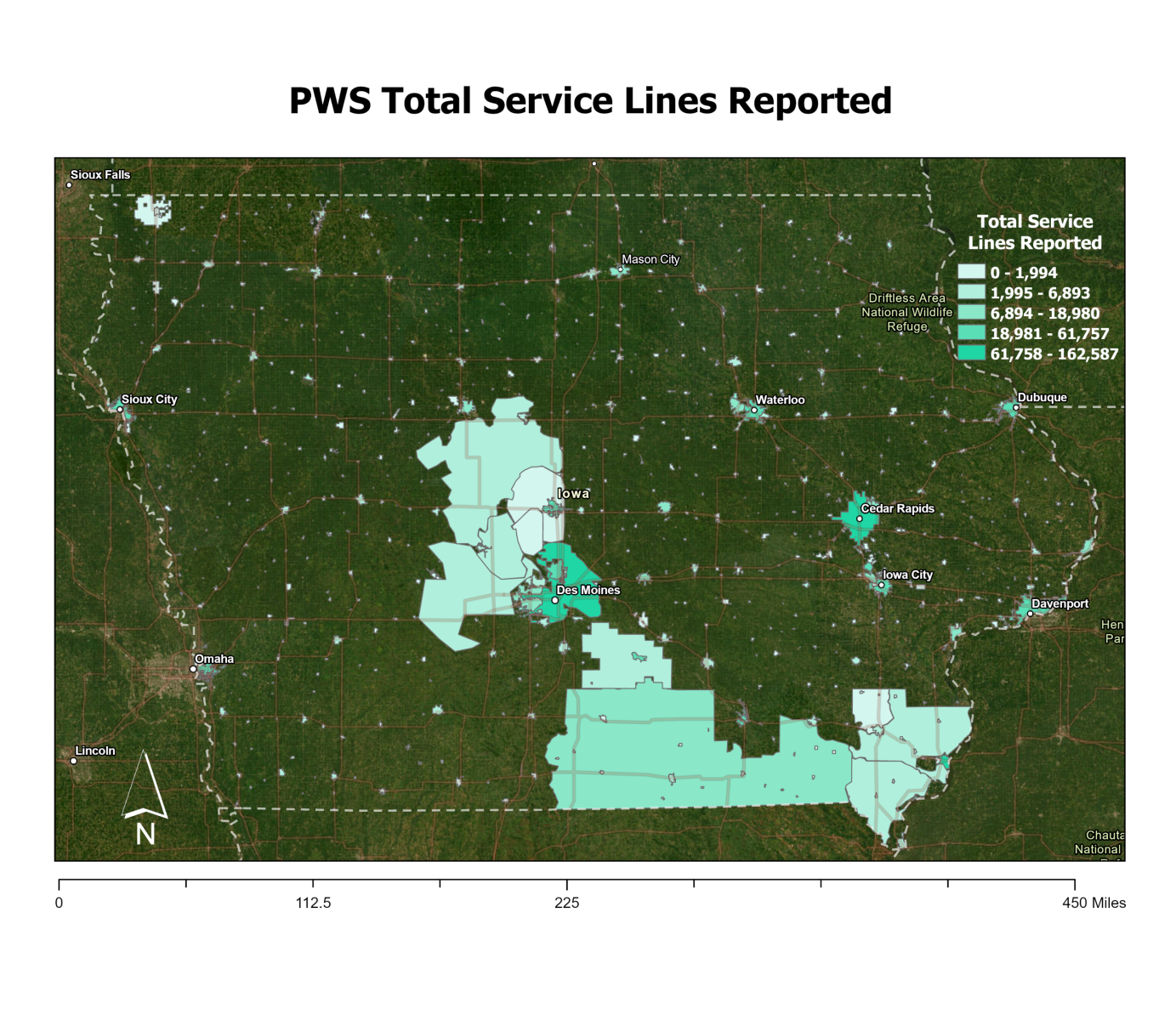
To demonstrate the statewide challenge of identifying and replacing lead service lines and corroded galvanized pipes in Iowa, IEC has mapped the EPA data by service line type in community water systems to demonstrate just how expensive and pervasive this challenge is.
*IEC has compiled some of the relevant information into the maps below. However, 42,417 service lines found in the EPA inventory are omitted from this map because they are within systems not included in the EPA’s Community Water System Boundaries dataset, the geospatial data we used to match the EPA numbers with physical system boundaries. These omissions include 425 lead service lines, 41 galvanized service lines requiring replacement, 15,315 lead status unknown service lines, and 26,636 non-lead service lines. Some notable locations excluded include the Iowa Army Ammunition Plant in Middletown, IA with 178 lead service lines, and several campgrounds and housing subdivisions. Those discrepancies are marked with each map.
Figure 1: Total known lead service lines by public water system: 63,437 total (63,862 total in dashboard)
.png)
Figure 2: Total galvanized service lines requiring replacement by public water system: 18,866 total (18,907 total in dashboard)
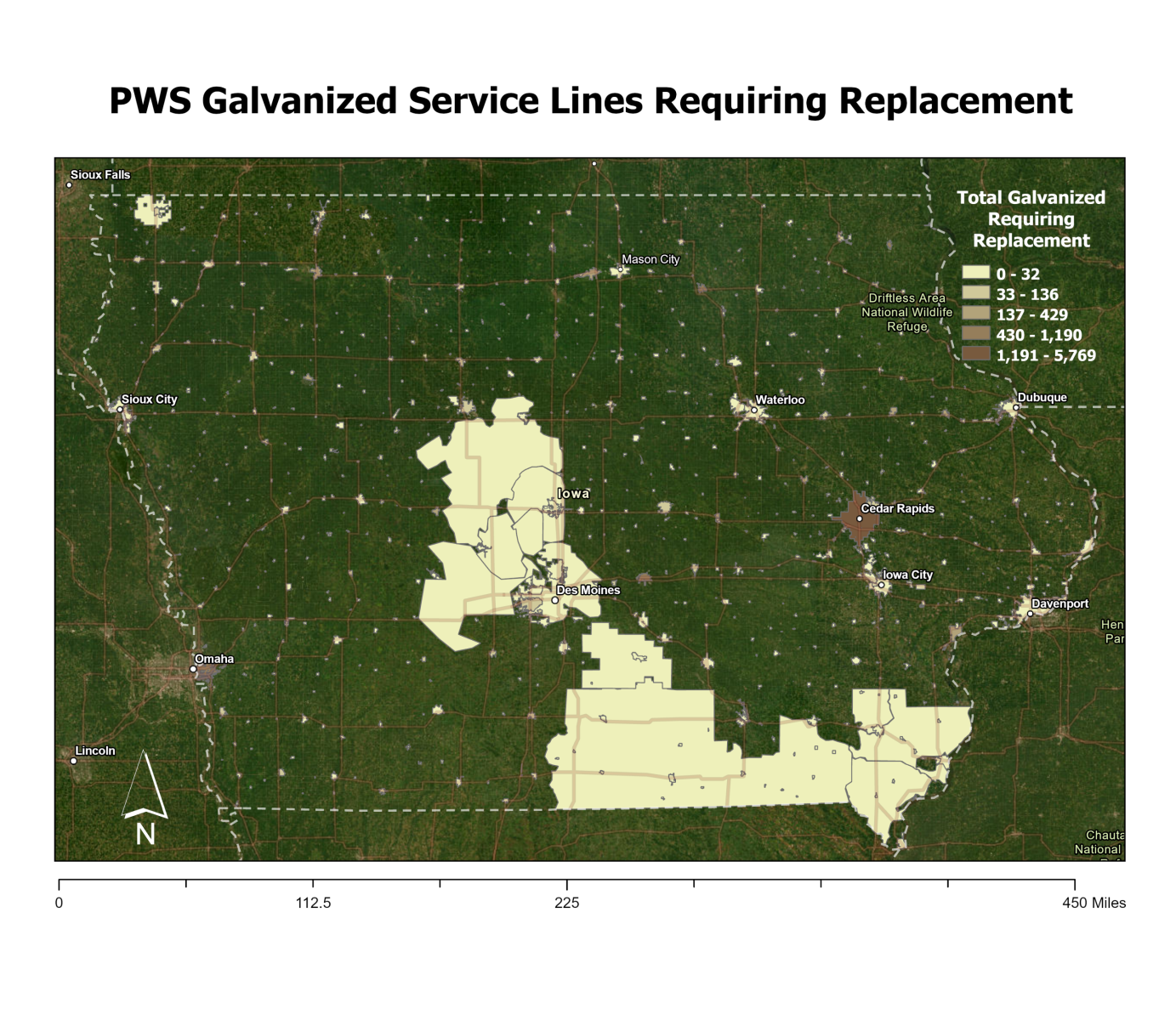
Figure 3: Total lead status unknown service lines by public water system: 219,207 total (234,522 total in dashboard)
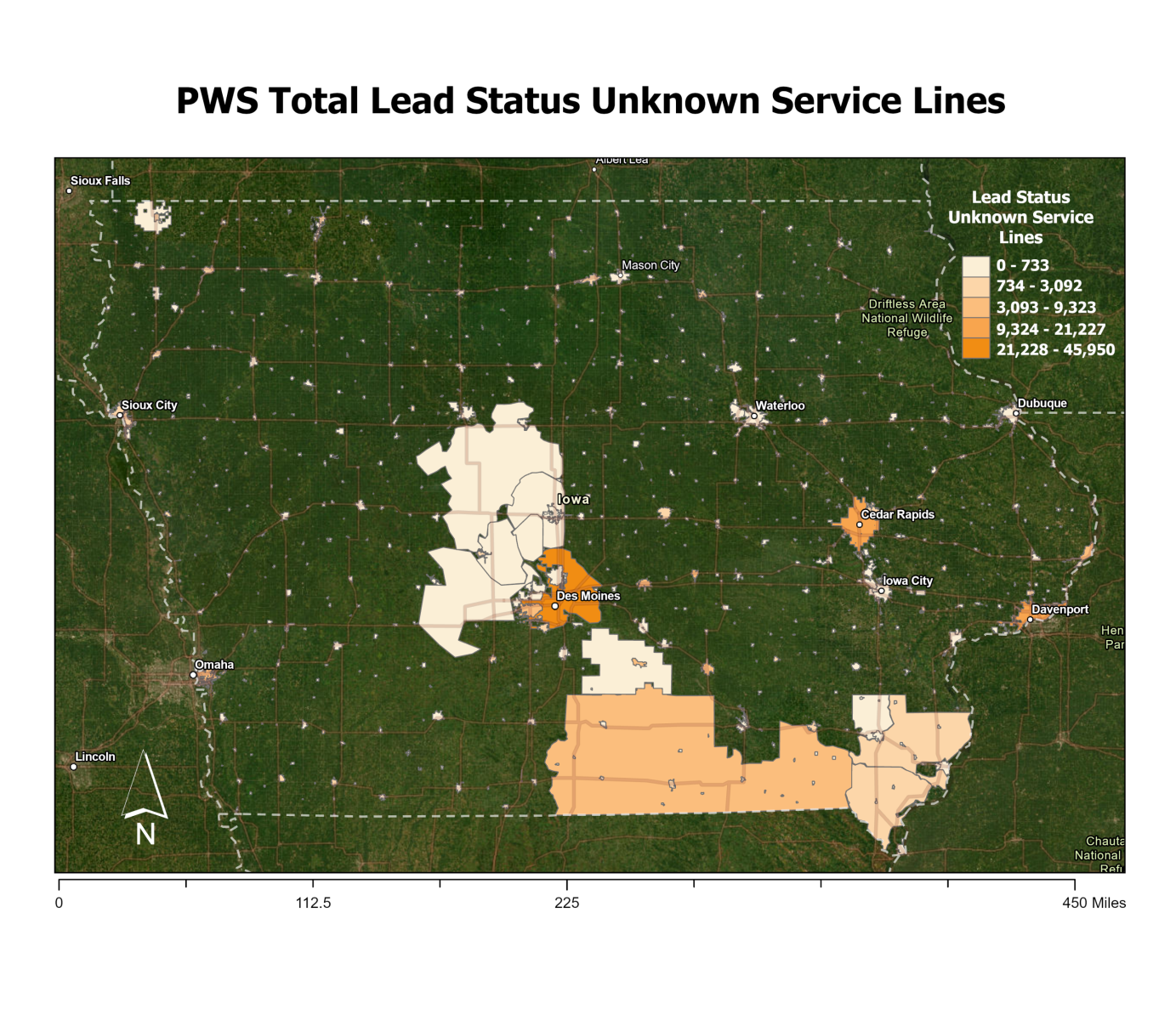
Figure 4: Total non-lead service lines by public water system: 1,165,632 total (1,192,268 total in dashboard)
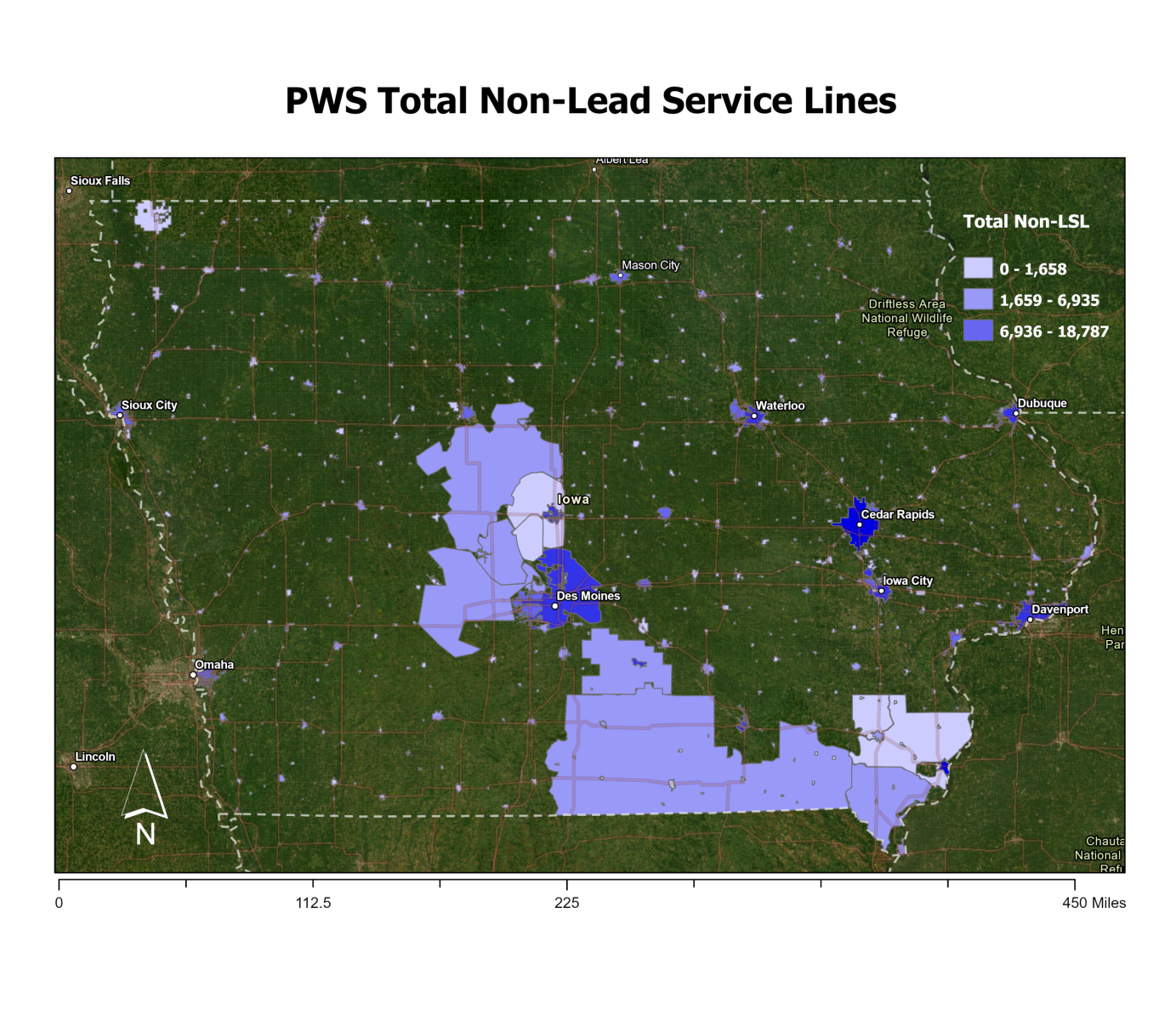
Figure 5: Total service lines reported by public water system: 1,467,142 total (1,509,559 total in dashboard)
While this problem is enormous and threatens the health of Iowa’s children, funding and technical assistance from both the state and the federal governments have also been declining. For example, the Iowa Department of Health and Human Services recently discontinued a contract with a service provider to administer Iowa’s Childhood Lead Poisoning Prevention Program. Meanwhile, funding from the state's revolving loan fund—given largely through federal sources—has been subject to funding freezes and raids by members of Congress to fund earmarked projects of their choosing.
Furthermore, the fact that Iowa has at least 219,207 service lines in public water systems without a confirmed status as lead or non-lead, should concern every family. In 2025, the state legislature passed an IEC-supported bill to require the disclosure of lead service lines at the time of a home’s sale if the homeowner knows they have one. The next step, at a minimum, should be supporting water utilities, homeowners, schools, and other Iowans identify whether or not this risk is present in their lives.
While finding nearly a billion dollars for replacement in the state budget this year is next to impossible, our state government needs to take this problem seriously and identify policy solutions for supporting Iowans as they identify and replace these potentially health-threatening lines. The health of Iowa families depends on it.