Agricultural Solutions to Our Water Quality Crisis Can Be an Opportunity for Iowa Farmers - If We Invest in Them
posted
by Guest Blogger on Friday, July 17, 2026
Iowa has a water quality problem. We've known it for much more than a decade — it's not breaking news. Claiming agriculture isn't a major cause of our water quality challenges in Iowa is like arguing that corn, pork, and eggs aren't a big deal to our state. Iowa is the number one producer of all three commodities. Accepting the fact that agricultural production is the leading cause of our degraded water might be a threat to some in the agriculture community. The Iowa Farmers Union disagrees that this has to be a threat to Iowa farmers — and here is why that matters: Farmers and ranchers are not just a part of the problem. They are our best available path to solving it.
The solution already exists. Iowa farmers and ranchers know how to deploy natural infrastructure (e.g., cover crops, wetlands, diversified rotations, integrated livestock, on-farm energy) that can simultaneously reduce nutrient runoff, improve water quality, and manage floodwaters across Iowa's watersheds. What's missing is not the knowledge. It's a system that rewards applying it.
Unfortunately, Iowa farmers are forced to make rational decisions about soil health, water quality, conservation, and profitability in an irrational agricultural system. Major updates to supporting farm profitability and better environmental outcomes need to happen within Iowa's agriculture. Currently, we're failing on both fronts.
The Systemic Barriers Standing in the Way
First, we put the responsibility on the farmer to create better public outcomes by investing in better farming practices. While there are some cost-share dollars to incentivize these practices, most farmers can't take these benefits to the bank. If you're good at conservation farming, own your land, and have a long enough time window, investing in better environmental outcomes might actually be more profitable — but that profitability comes from bucking the trends and going against the simple economics of our agricultural systems in Iowa.
On the other hand, when farmers take out the buffer strips and clear trees on marginal land, they often can capture that short-term gain in their crop insurance portfolio, but the public pays for externalized environmental costs. The best environmental farmers can't cash the check for delivering what Iowans need, while farmers causing the most problems never have to account for those costs in their books. This irrational system drives profits across Iowa's agricultural industry. Additionally, in 2025 and 2026, enormous cuts were made to federal programs supporting farm and ranch conservation, including cost-share programs for cover crops, wetlands, and edge-of-field practices that are critical to reducing nutrient runoff into Iowa's waterways, making this separation even wider.
How has Iowa progressed since the establishment of the Mississippi River/Gulf of Mexico Watershed Nutrient Task Force in 1997 or the Nutrient Reduction Strategy in 2013? We haven't reduced our most challenging environmental costs in Iowa's agricultural systems, we haven't improved Iowans' access to clean water for drinking and recreating (we've had water rationing because of the pollution), and Iowa is one of three states with an increasing cancer rate and number two in cancer incidence rates (National Cancer Institute, 2024). Clearly, Iowans have a lot to be mad about. For the first time, candidates from both parties are responding to Iowans, including in rural communities, who are demanding cleaner water.
Farmers Already Have the Answers — If the System Lets Them Use Them
While significant amounts of money will be spent trying to convince Iowans that politicians have the solutions, farmers and ranchers already know how to do much of this work. The natural infrastructure approaches that Iowa's water quality and quantity future depends on involve working with natural systems rather than against them: reducing tillage, integrating livestock, maintaining living roots in the soil year-round through cover crops and perennial vegetation, extending crop rotations, and generating cleaner energy on the farm.
There are no silver bullets. We don't get to solutions by simply doing one practice area. Stacking solutions and building towards achieving all these practices is where we will see the most impact. Changing from a two-crop rotation of corn and soybeans to a three-crop rotation with a small grain makes a difference. Using cover crops in that rotation multiplies the benefits. Grazing those cover crops gets to another level of conservation. Graze under some solar panels and keep multiplying. Reduce your tillage and plant green into your cover crops, and Iowa agriculture sees a systems change led by farmers.
Farmers, not the agriculture industry, have been the innovators for all of these practice areas. If this innovation were to grow and be economically rewarded, Iowa wouldn't just get cleaner water. We'd get more jobs as these practices take higher levels of management and often more locally sourced inputs (e.g., fencing, cover crop seeds, and more diverse and often smaller-scale equipment). We'd get more wildlife. And we'd need more farmers, not fewer.
The Real Barrier Isn't Knowledge — It's Power
A rational agricultural system would reward farmers for this kind of innovation. Instead, the rewards pile up for consolidating farms and agribusiness by piling onto the status quo. Agricultural solutions to our water quality challenges are not a threat to farmers and ranchers if we focus on farmers and ranchers. But let's be clear: this kind of innovation across Iowa's agricultural landscape is a threat to global agribusiness that continues to consolidate and use their monopoly power in the marketplace and growing political influence to make sure the seeds of change that could benefit farmers, rural communities, and our entire state never get planted.
Iowa's water will not clean itself. But the farmers and ranchers who work this land every day already know what needs to happen — and they are ready to lead, if we build a system that empowers them to do so.
About the Author
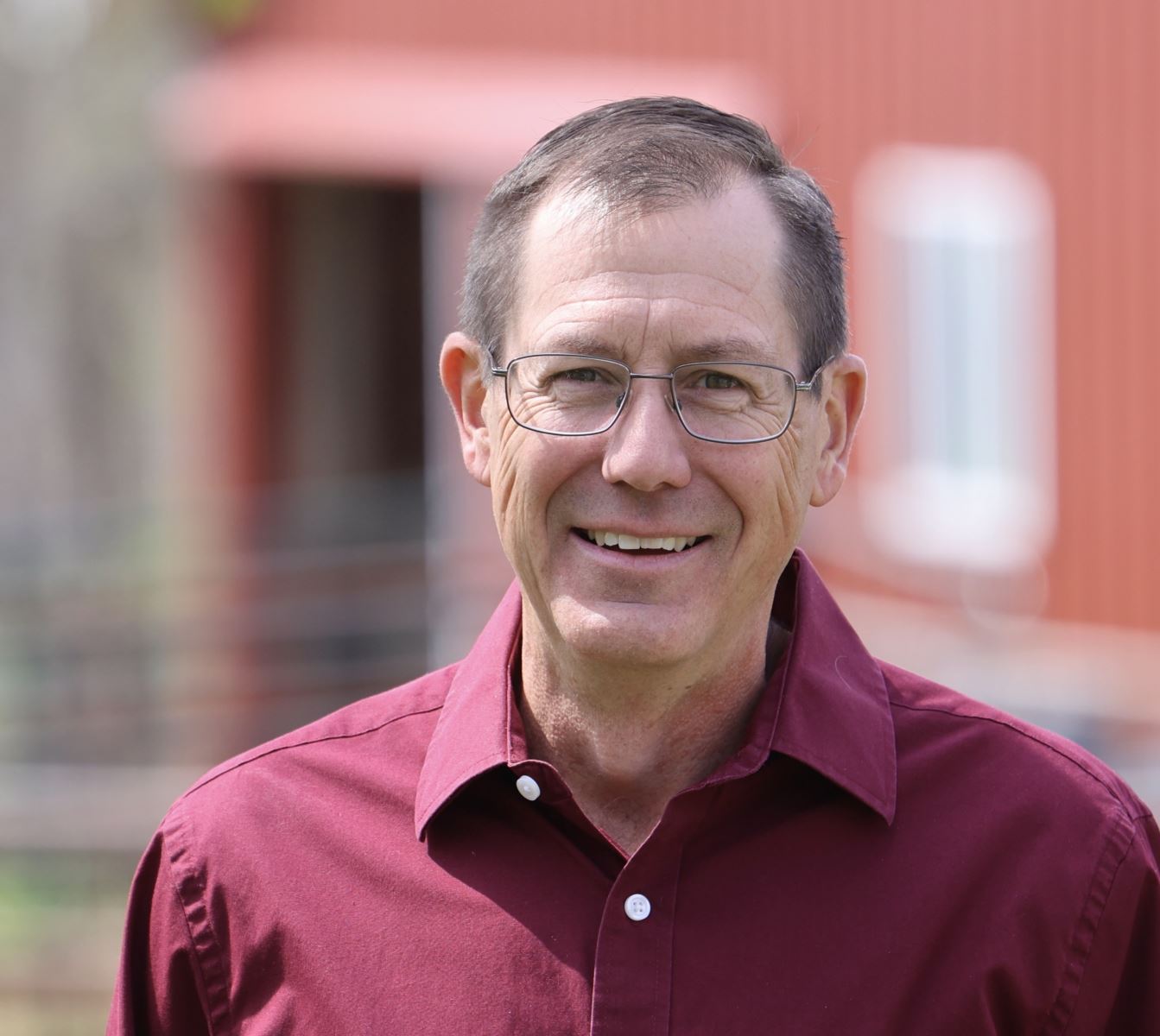 Matt Russell is a fifth-generation Iowa farmer who grew up on a commodity and livestock farm in Cass County. He now co-owns and operates Coyote Run Farm, near Lacona, Iowa with his spouse Patrick Standley. Russell is the former State Executive Director of the USDA Farm Service Agency in Iowa for the Biden Administration. In 2018, he became the Executive Director of Iowa Faith and Climate Network, a statewide faith-based climate action organization. Prior to that, he spent 12 years on staff at the Drake University Agricultural Law Center. Matt has been an active member of Iowa Farmers Union for over 20 years and is currently serving as the Executive Director. mrussell@iowafarmersunion.org